Squeaks, Grinds, and Shakes
October 09 2025 - web@mpwmarketing.com
5 Signs Your Brakes Need Service Before the First Snowfall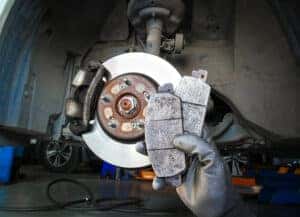
When October arrives in Utica the air turns crisp, leaves cover the sidewalks, and the Mohawk Valley starts bracing for the inevitable arrival of winter. While you might be considering swapping out your wardrobe or prepping your wood pile, your car also needs a seasonal review, especially when it comes to the condition of your brakes.
Your brakes are your vehicle’s most important safety system. They keep you, your passengers, and everyone else on the road safe. And the truth is, brakes rarely fail without warning. They usually have something to “say” to you about their condition: first through sounds, then sensations or changes in performance. The trick is knowing what to listen and be aware of when your brakes are trying to get your attention.
Ignoring these common signs can not only lead to costly repairs down the road but also put you at risk on Utica’s snowy, icy streets. Here are five warning signs it’s time for a brake inspection before the first snowflake hits.
1. A High-Pitched Squeak
That sharp squeal you hear when braking isn’t random, it’s actually engineered into brake design. Most brake pads have a small wear indicator that scrapes against the rotor when the pad is nearly worn out. Consider it your car’s built-in reminder system. Pro Tip: If you hear squealing after your car has been sitting in damp conditions, it may just be a thin layer of surface rust on the rotors, which usually clears after a few stops. However, if you get persistent squeaking on your drive it means your pads are ready for replacement. It’s time to make an appointment with your local service shop.2. A Deep, Metallic Grinding
If the "squeal" was the polite but annoying reminder, the metal grinding is the urgent cry for help. When you hear grinding, it typically means your brake pads are completely worn through and the metal backing is scraping directly against the rotors. This damages both the rotor and caliper, turning what could have been a simple pad replacement into a more expensive repair. Pro Tip: If you hear grinding, avoid driving long distances and get your car checked immediately. Continuing to drive can quickly escalate the amount of your repair bill.3. Vibrating or Pulsing in the Pedal
If your brake pedal (or even steering wheel) shakes when you slow down, chances are your rotors are warped. Heat buildup from stop-and-go city driving, or repeated hard stops on steep hills like the ones near the Parkway, can cause this issue. Pro Tip: Warped rotors don’t just affect braking comfort, they lengthen stopping distance. In icy Utica conditions, even a few extra feet can make the difference between a safe stop and a fender-bender.4. A "Soft" or Spongy Pedal
A healthy brake pedal should feel firm and responsive. If yours sinks to the floor or feels soft, that points to a problem in the hydraulic system, possibly air in the brake lines, a fluid leak, or even a failing master cylinder. This is one of the most urgent brake issues you can experience. Pro Tip: Check your driveway or garage floor for small puddles near the wheels. Brake fluid is usually clear to yellowish and slippery. If you spot a leak, schedule service immediately.5. Your Car Pulling to One Side
Brakes should slow you in a straight line. If your car veers left or right when you brake, it could be due to uneven pad wear, a stuck caliper, or an issue with the brake fluid. On slick, icy roads, this pulling effect can easily cause you to lose control. Pro Tip: If your vehicle pulls, don’t assume it’s just an alignment issue. Have a technician check your brakes first because it’s often the real culprit.Trust the Professionals Before Winter Hits
These signs are your car’s way of asking for attention, and fall is the perfect time to listen. At New Generation, our trained technicians perform comprehensive brake inspections to identify the exact problem and fix it before winter driving puts extra stress on your vehicle. Why schedule my inspection now? Because once the first snowstorm hits Genesee Street, appointments fill up fast. Getting ahead of the rush means peace of mind when you’re navigating black ice, holiday traffic, or that early-morning commute after an unexpected squall.Bonus: 3 Smart Habits to Extend Brake Life in Utica Winters
Harsh winter conditions don’t just challenge your tires, they put extra stress on your brakes too. Practicing a few simple habits can help your brake system last longer and perform more reliably.- Avoid Hard, Sudden Stops Slamming on the brakes in icy conditions wears pads and rotors faster and increases your risk of skidding. Instead, leave more space between you and the car ahead and brake gradually.
- Clear Snow and Ice Around Your Wheels When snow or ice cakes around the brake components, it can cause uneven braking and premature wear. Before heading out, knock away packed snow from around your wheels and wheel wells.
- Check and Top Off Brake Fluid Cold weather can make brake fluid issues more noticeable. Low or dirty fluid reduces your brakes’ responsiveness. Have it checked at each oil change or ask for a brake fluid inspection during your pre-winter service.